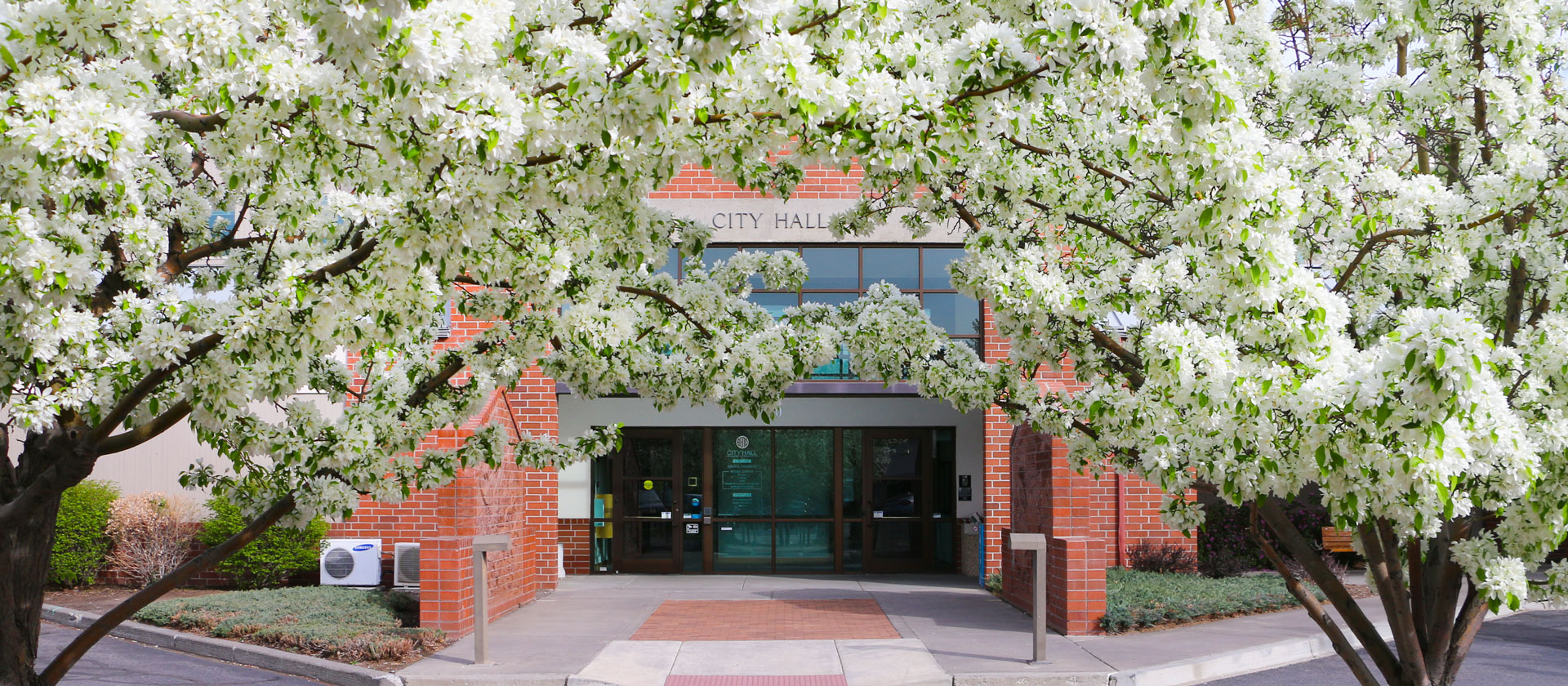
The City of Bend has released its 2025–2027 budget: a $1.48 billion plan focused on public safety, infrastructure expansion, and systems needed to manage a city that has surpassed 104,000 residents and nearly 45,000 households. For landlords, investors, and property owners, this budget signals continued growth—and continued pressure on housing supply, services, and transportation.
As Bend continues its steady population climb—outpacing most mid-sized cities in the Pacific Northwest—public safety, livability, and infrastructure are becoming defining factors for the region’s real estate market. The newly published 2025–2027 “Budget in Brief” offers the clearest roadmap yet for how the city plans to manage this growth.
For housing providers, developers, and investors evaluating Central Oregon, this budget isn’t just a financial plan—it’s a forecast of future demand, regulatory bandwidth, and investment opportunity.
Below is a breakdown of what this $1.48B budget means for Bend property owners and those tracking long-term market stability.
The 2025–2027 Budget at a Glance
1. Bend’s Growth Continues to Drive City Spending
The budget reflects a city with:
-
104,000+ residents
-
~45,000 households
-
A strong, diversified job market
These numbers underscore why Bend remains a magnet for in-migration from Portland, California, and remote-workers seeking outdoor-centric living.
Investor takeaway:
Demand remains structurally high, and this budget confirms the city expects continued long-term growth.
2. Public Safety Remains the Top Priority
The city is directing substantial funding toward:
-
Police staffing and operations
-
Fire and EMS response capacity
-
Emergency preparedness and resiliency planning
For housing providers, responsive emergency services and low crime rates are crucial selling points—especially for higher-end rentals, relocators, and families.
Landlord lens:
Stronger public safety investment helps stabilize neighborhoods and supports long-term property values across Deschutes County.
3. Major Investment in Infrastructure Expansion
Bend’s infrastructure remains heavily strained from years of rapid growth. The 2025–2027 budget prioritizes:
Water & Sewer Upgrades
-
Expansion of capacity to support new homes and multifamily projects
-
Replacement of aging pipes and system modernization
Road Improvements
-
Congestion mitigation
-
Road maintenance and multimodal safety upgrades
Housing & Development Systems
-
Additional funding for building permit processing
-
Streamlined workflows to reduce application bottlenecks
Why this matters to property owners:
Faster permitting, more development-ready land, and improved infrastructure lower the long-term cost and complexity of housing production.
4. A Strategic Effort to Balance Growth with Livability
City leaders clearly recognize the tension between growth and quality of life. This budget frames livability as a central theme:
-
Infrastructure investment to avoid choke-points
-
Public safety expansion to maintain community standards
-
Support for development systems to increase housing supply
For those considering relocating or investing:
Bend is signaling that growth will continue—but with intentional investments meant to preserve what makes the region desirable.
Parker's Expert Commentary
From a real estate and property-management standpoint, this budget is a strong indicator of Bend’s long-term trajectory:
1. Expect continued housing demand, especially rentals.
Population growth, job creation, and limited supply will keep vacancy rates low and support stable rent performance.
2. Infrastructure investment is good news for development and long-term property values.
When roads, utilities, and public services expand, it creates more capacity for housing—and more stability for existing properties.
3. Permit system improvements could finally ease the bottleneck.
Faster processing will help developers deliver units faster, which benefits both renters and the overall market.
4. Public safety investments are a quiet but important value driver.
Neighborhood safety is a top priority for tenants and buyers. Strong emergency services boost the appeal of both urban and suburban Bend.
5. Investors watching for regulatory shifts should take note.
Large budgets often precede policy changes. While nothing in this brief indicates major new housing regulations, the increased funding for development systems suggests the city is preparing for more building activity—and potentially future zoning adjustments.
Frequently Asked Questions
Is Bend planning for continued population growth?
Yes. The scale of the budget and investment categories indicate the city anticipates significant ongoing growth.
Will this budget help speed up construction or development timelines?
It should. Additional support for permitting and infrastructure capacity directly impacts build timelines.
Does this budget suggest rising taxes or fees?
The document does not directly outline new burdens, but infrastructure-heavy budgets often come with adjustments. Property owners should monitor city updates.
How will this affect rental housing?
Continued population growth paired with slow-to-expand inventory will keep rental demand strong, especially in Bend and Redmond.
Is this a good sign for long-term property value?
Yes. Cities that expand infrastructure and public safety capacity generally see stronger property-value resilience over time.
Key Takeaways
-
Bend’s $1.48B 2025–2027 budget confirms sustained long-term growth.
-
Public safety receives the largest investment, supporting neighborhood stability.
-
Infrastructure upgrades will be crucial for easing strain from rapid growth.
-
Permit and development system improvements are positive for builders and investors.
-
The city is positioning itself to balance rapid expansion with livability, a vital factor for both residents and housing providers.
If you’re a landlord, buyer, or investor evaluating opportunities in Bend, Redmond, or anywhere in Deschutes County, I can help you understand where the market is heading—and how to position yourself ahead of the curve.
Want a market analysis, investment review, or rental performance assessment?
Reach out anytime and I’ll help you make the most of Central Oregon’s next growth cycle.