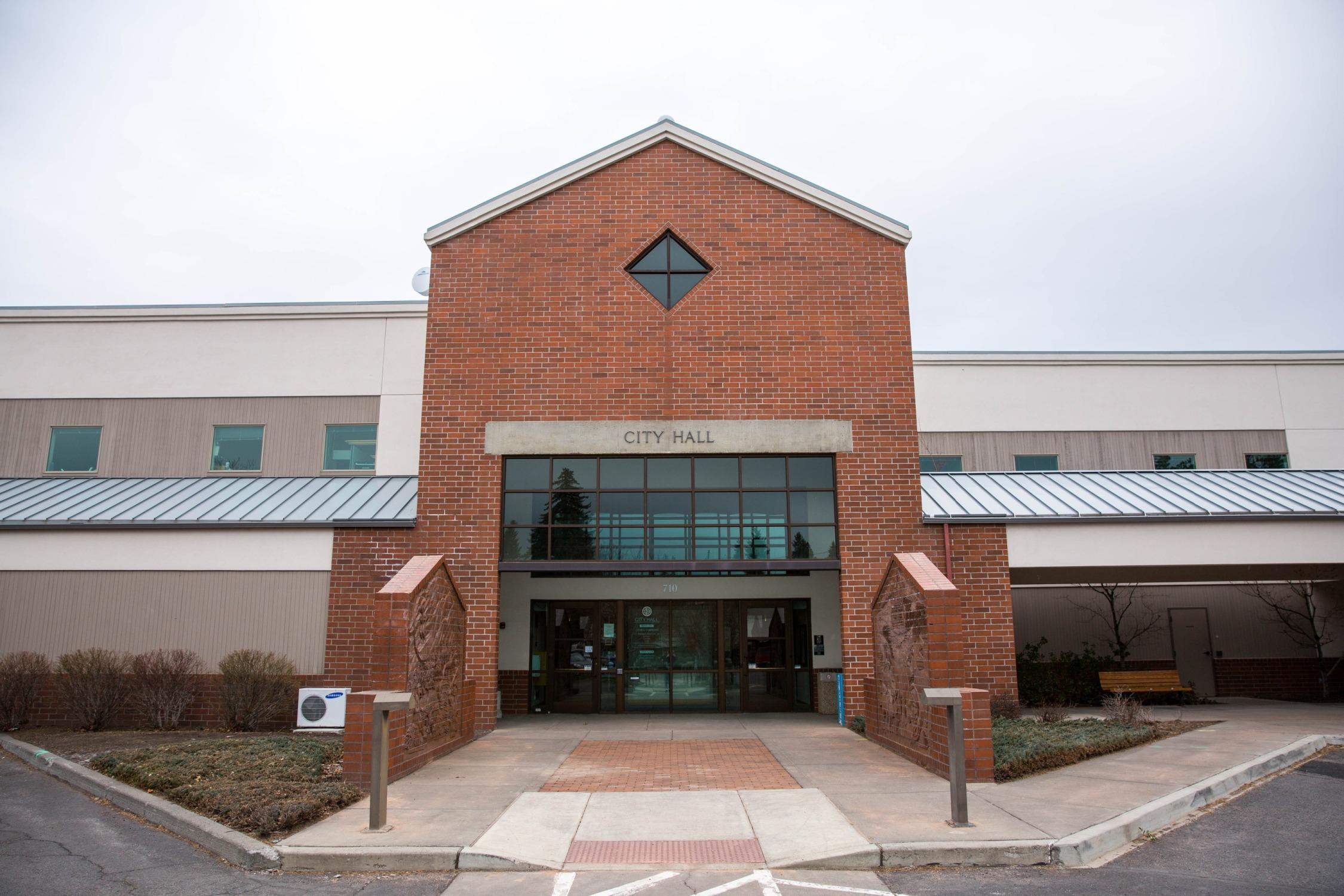
Bend is evaluating whether to build a larger, modern City Hall—likely through a public-private partnership in the Bend Central District. The move aims to consolidate scattered departments, improve service delivery, and redevelop underused city-owned downtown land. Recommendations are expected in about six months, with community input planned. For landlords, investors, and residents, this project could reshape the core of Bend and influence future development patterns, rental demand, traffic flows, and surrounding property values.
Bend’s Growth Is Forcing a Big Civic Upgrade — and the City Is Finally Acting
Bend is no longer the small, sleepy mountain town many long-time locals remember. After decades of population growth, annexations, and development pressure, the city’s core government functions have outgrown the existing City Hall—an aging building that simply wasn’t designed for a community of 100,000+ residents.
City leaders are now exploring a significantly larger, more modern City Hall, potentially delivered through a public-private partnership (P3) in the Bend Central District (BCD). This move aligns with Bend’s broader efforts to:
-
Consolidate city staff scattered across multiple buildings
-
Improve efficiency of internal operations and public-facing services
-
Redevelop and reposition underutilized city-owned land in the downtown/BCD corridor
-
Stimulate mixed-use development and walkability in the city’s designated growth centers
The City expects to return with formal recommendations within six months, with community engagement built into the process.
For property owners, investors, and housing providers across Deschutes, Crook, and Jefferson Counties, this early-stage conversation matters. Civic anchors like City Hall often catalyze major neighborhood reinvestment—and that means potential shifts in values, zoning interest, tenant demand, and infrastructure spending.
Why Bend Needs a Larger City Hall
Bend’s current City Hall was built decades ago for a much smaller population and government workforce. Today, multiple departments are spread across downtown and leased spaces, creating inefficiencies both internally and for residents trying to navigate permitting, planning, code enforcement, utilities, and transportation services.
Key reasons driving the change:
-
Spatial limitations: Staff growth has outpaced available offices and meeting rooms.
-
Service fragmentation: Residents often must visit multiple locations to complete city processes.
-
Aging systems: The current structure wasn’t built for modern technology, security, or public engagement needs.
-
Land optimization: The city owns valuable downtown property that could be put to higher and better community use.
Public officials have been clear: this isn’t a vanity project—it’s a functional necessity.
Why the Bend Central District Is on the Table
The Bend Central District has become a focal point for mixed-use redevelopment, pedestrian improvements, and eventual transit-oriented growth. Relocating City Hall there could:
-
Anchor the district with a civic presence
-
Spur private development (retail, restaurants, office, and residential)
-
Support transportation improvements already planned
-
Align long-term zoning and growth goals
-
Strengthen the area’s identity as Bend’s next true urban hub
A public-private partnership could allow the city to build a modern facility while simultaneously enabling private developers to construct complementary uses such as housing, commercial suites, or public plazas.
What This Means for Property Owners and Investors
A major civic project like this is rarely just a new building—it’s a signal. And signals matter.
Here’s how this could influence the market:
1. Increased Property Values Near the BCD
Government anchors draw daytime activity, traffic, and supporting businesses. That often translates into higher demand for nearby commercial and residential units.
2. Rental Demand Growth
An influx of city staff—as well as private-sector activity around the project—can strengthen long-term rental demand for both residential and office spaces.
3. Redevelopment Momentum
A City Hall relocation could accelerate other public and private investments in the area, raising the overall development baseline.
4. Potential Traffic and Infrastructure Upgrades
Large civic projects often come with improved roads, pedestrian upgrades, transit adjustments, and utility enhancements—benefitting surrounding properties.
5. Downtown Land Reuse
If the existing City Hall site is repurposed, that opens up additional opportunities for new mixed-use projects closer to Drake Park and the core downtown grid.
For Redmond, La Pine, Sisters, and the surrounding region, Bend’s civic investments can also create spillover effects—business relocations, labor shifts, and regional development funding.
Parker’s Expert Commentary
As someone who works daily with both local landlords and developers throughout Central Oregon, I see this potential City Hall project as more than a bureaucratic reshuffle—it’s a directional marker for the next phase of Bend’s urban evolution.
The Bend Central District has long been identified as the city’s most promising opportunity for true mixed-use urban growth. A new City Hall there would do exactly what civic anchors have done in other thriving mid-sized cities: establish stability, attract complementary businesses, and elevate long-term value.
For landlords, this is a rare chance to get ahead of a shift rather than react to it. Properties within walking distance of the BCD could see meaningful appreciation as infrastructure upgrades and public investment set the stage for denser, more walkable, higher-value land use.
If you own property nearby—or you’re considering acquiring something inside the BCD or downtown fringe—this is a story to watch closely over the next six months.
Frequently Asked Questions
Is the City Hall project approved yet?
No. The city is in the study phase and expects to bring forward detailed recommendations within six months.
Where would the new City Hall be located?
The Bend Central District is the leading candidate due to its zoning, growth strategy alignment, and redevelopment potential.
What happens to the current City Hall site?
No decisions have been announced. However, the city has signaled interest in repurposing underutilized land—potentially for mixed-use, civic, or community-serving purposes.
Will this raise taxes?
It’s too early to know. A public-private partnership could reduce the city’s upfront cost and shift some financial responsibility to private developers.
How will this affect businesses and nearby housing?
Typically, civic anchors increase daytime traffic, spur redevelopment, and attract new services—all of which can benefit surrounding property owners and renters.
Key Takeaways
-
Bend is studying a significantly larger, modern City Hall to meet staffing and operational needs.
-
A public-private partnership in the Bend Central District is the leading framework.
-
The project could reshape downtown and catalyze new mixed-use investment.
-
Property owners near the BCD may see long-term value increases.
-
Community engagement will be a major part of the process over the next six months.
If you’re a landlord, investor, or property owner curious how this evolving City Hall project could impact values, zoning, or redevelopment opportunities in Bend, now is the time to get a strategic plan in place.
Reach out anytime for a market assessment, portfolio review, or strategic positioning advice.
I help property owners stay ahead of the curve—before the next wave of growth hits.