Bend’s Southeast Expansion: What a 2,500-Home Mega Development Means for Housing, Rents, and Investors
Quick Summary (Straight Answers)
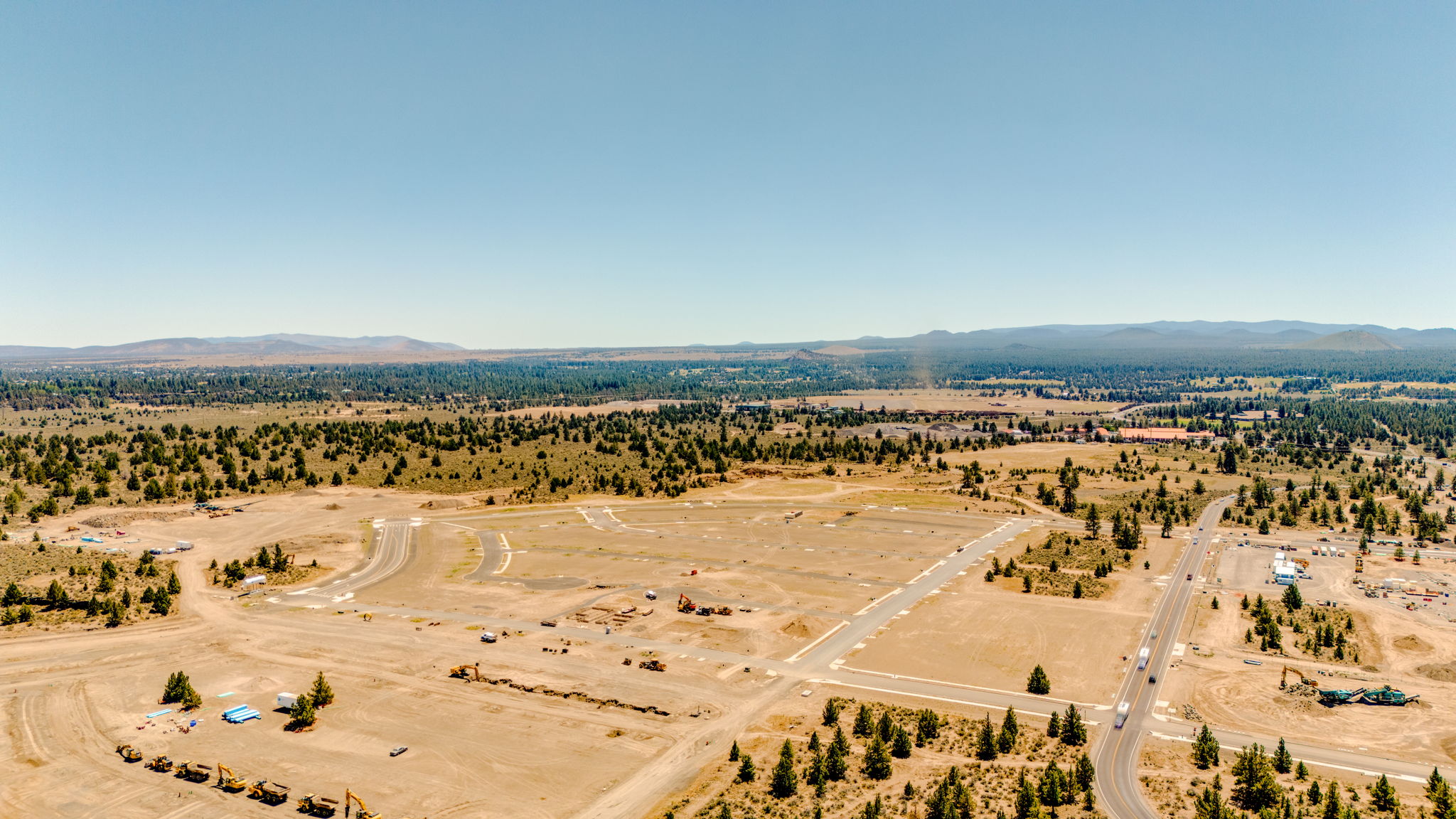
Bend is preparing for one of its largest residential expansions ever in the city’s southeast corridor. Hayden Homes has acquired 260 acres formerly owned by the Oregon Department of State Lands, opening the door to up to 2,500 new homes, including workforce and deed-restricted affordable housing. Alongside this is the Caldera Ranch neighborhood, expected to deliver 700+ additional units, commercial space, and parks.
For landlords, investors, and homeowners, this signals long-term housing supply growth, shifting rental dynamics, infrastructure investment, and new opportunities — especially for those who understand where and when demand will change.
Bend’s Housing Reality: Why the Southeast Matters
Bend’s housing shortage didn’t appear overnight. Years of constrained land supply, rapid in-migration, limited infrastructure capacity, and high construction costs have kept prices elevated across both ownership and rental markets.
The southeast Bend area represents one of the last remaining large, contiguous development zones inside the city’s growth strategy — and the city has been quietly preparing for it for years through:
-
Sewer trunk expansions
-
Transportation planning
-
Long-range growth boundary coordination
-
Public-private partnerships with master developers
This is not speculative sprawl. This is planned, intentional urban expansion designed to absorb population growth that Bend already knows is coming.
The Hayden Homes 260-Acre Project: A New Residential Core
The headline project is Hayden Homes’ purchase of approximately 260 acres in southeast Bend, previously held by the state. Buildout projections allow for as many as 2,500 housing units over time.
What We Know So Far
-
Mix of single-family homes, townhomes, and attached product
-
Inclusion of workforce and deed-restricted affordable housing
-
Infrastructure investment already underway
-
Connectivity to surrounding neighborhoods, including Stevens Ranch
-
Multi-phase buildout (this will take years, not months)
This scale of development effectively creates a new residential district, not just a subdivision.
Why Developers Targeted This Area
-
Fewer land constraints than west or north Bend
-
Proximity to employment centers and Highway 97
-
Lower initial land basis than infill locations
-
Ability to master-plan roads, utilities, and amenities from scratch
For the city, it means growth with fewer patchwork fixes. For residents, it means new housing options at price points that currently barely exist in Bend.
Caldera Ranch: 700+ Homes and a Mixed-Use Vision
Within this broader southeast expansion is Caldera Ranch, a neighborhood-scale project expected to deliver over 700 homes.
Planned Components
-
Single-family homes
-
Townhomes and attached housing
-
Deed-restricted affordable units
-
Neighborhood commercial space
-
Parks and open areas
This matters because Caldera Ranch isn’t just housing — it’s housing plus daily-life infrastructure. That combination reduces traffic pressure elsewhere and makes southeast Bend more self-sustaining.
From a planning standpoint, this aligns with Bend’s push toward complete neighborhoods, where residents can live, work, and recreate without crossing town for basic needs.
Infrastructure Is the Real Story (And the Real Cost)
Housing doesn’t work without infrastructure — and southeast Bend is getting both.
Key Investments Already in Motion
-
Sewer capacity expansion
-
Transportation corridor planning
-
Utility upgrades
-
Stormwater management systems
These are expensive, slow, and often invisible projects — but they are the gatekeepers of future supply. The fact that infrastructure is already underway signals strong institutional confidence in this area’s growth.
For investors, infrastructure spending is one of the clearest leading indicators of future stability and long-term appreciation.
What This Means for the Bend Housing Market
1. Supply Relief — Eventually
Adding 3,000+ units over time will help relieve pressure — but not immediately.
These projects:
-
Phase over many years
-
Deliver units gradually
-
Face labor and material constraints
In the short term, they won’t crash prices or rents. In the long term, they moderate future spikes rather than eliminate demand.
2. Rental Market Impacts
Expect:
-
More professionally built rental homes
-
Increased competition in newer product categories
-
Continued strength in well-located older rentals
Landlords with aging properties may need to invest in maintenance, amenities, or pricing strategy to stay competitive as new supply comes online.
3. Price Segmentation Will Increase
Bend’s market is moving toward clearer tiers:
-
New construction, planned communities
-
Established mid-market neighborhoods
-
Older, centrally located housing stock
Understanding which tier you’re in will matter more than ever.
Parker’s Expert Commentary: What Smart Owners Should Do Now
This southeast Bend expansion is not a warning sign — it’s a signal.
For years, Bend’s lack of supply protected landlords from competition. That era is slowly ending, replaced by a more normal market where management quality and asset strategy matter.
If You’re a Landlord
-
Prepare for higher tenant expectations in newer areas
-
Budget for capital improvements on older rentals
-
Watch rent growth assumptions beyond 3–5 years
If You’re an Investor
-
Southeast Bend is a long-term play, not a flip zone
-
Workforce housing demand will remain strong
-
Entry pricing today may look high — but infrastructure-backed growth supports it
If You’re a Homeowner
-
New supply improves mobility and options
-
Neighborhood differentiation will matter more
-
Well-maintained homes will hold value better than ever
The biggest mistake I see is assuming Bend’s past conditions will repeat forever. Markets evolve — and Bend is entering its next phase of maturity.
Frequently Asked Questions
Will this development lower rents in Bend?
Not dramatically, and not quickly. It may slow future rent growth, but demand remains strong.
Is southeast Bend becoming the next growth hotspot?
Yes. Infrastructure investment and scale make it one of the city’s most important future residential zones.
Will traffic increase?
Yes — but this area is being planned with transportation improvements in mind, unlike older growth patterns.
Is affordable housing actually included?
Yes. Deed-restricted and workforce housing are part of the approved plans, though delivery will be phased.
Should investors avoid Bend because of new supply?
No. New supply signals confidence. Poor strategy, not supply, is what hurts investors.
Key Takeaways
-
Bend is preparing for one of its largest residential expansions ever
-
Southeast Bend will add 3,000+ homes over time
-
Infrastructure investment confirms long-term growth plans
-
Rental and ownership markets will become more competitive — not weaker
-
Smart landlords and investors adapt early
Final Word
Growth like this doesn’t happen by accident. It happens because Bend continues to attract people, jobs, and capital — and because the city is finally unlocking land that can support that growth responsibly.
If you own property, are considering investing, or want to understand how these developments affect your rents, values, or long-term strategy, this is the moment to get informed — not reactive.
If you want a localized rent analysis, investment outlook, or guidance on positioning your property for the next phase of Bend’s market, reach out. (CLICK HERE)
This is exactly where planning beats guessing.
If you are interested in learning more about Bend neighborhoods (CLICK HERE)