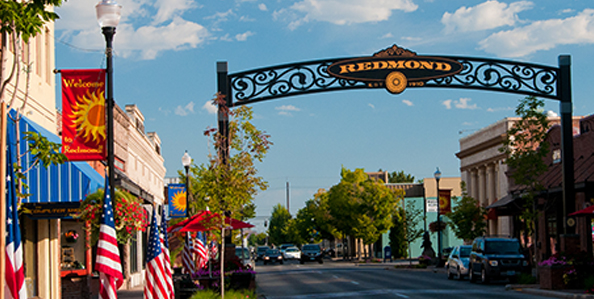
In an era when many downtowns across the country are struggling with vacancies, remote work impacts, and declining foot traffic, Downtown Redmond is quietly doing something remarkable — it’s growing, diversifying, and staying full.
As we move through 2025, nine new businesses have opened in Redmond’s historic downtown core, pushing commercial occupancy above 90% for the third year in a row. That statistic alone should catch the attention of anyone who cares about Central Oregon’s economic health — especially landlords, investors, and business owners.
But the real story isn’t just the number.
It’s what kind of growth Redmond is seeing — and why it matters long-term.
What Opened in Downtown Redmond in 2025?
The newest wave of downtown businesses spans food, retail, art, recreation, and personal services, including:
-
A bakery and café
-
A Mexican grill
-
A boutique retail shop
-
An art gallery
-
A gaming lounge
-
A pet spa
-
Multiple service-based businesses
This diversity is important. Downtowns don’t thrive on a single category — they thrive on mix. Food brings people in. Retail keeps them walking. Art and entertainment give the area personality. Services provide daily utility and repeat visits.
From a real estate and planning perspective, this is exactly what you want to see.
Why Commercial Occupancy Above 90% Matters
Commercial vacancy rates are one of the clearest indicators of a downtown’s health. Sustaining 90%+ occupancy for multiple years tells us several things:
-
Demand for space remains strong
-
Businesses are surviving — not just opening
-
Lease rates are sustainable
-
Foot traffic supports ongoing operations
-
Property owners are reinvesting
For landlords, this reduces risk.
For investors, it signals stability.
For the city, it validates long-term planning decisions.
Many communities experience a post-pandemic bounce followed by a correction. Redmond hasn’t. Instead, it’s showing durable momentum.
The Role of Urban Renewal: Growth With Intention
This success didn’t happen by accident.
The Redmond Urban Renewal Agency continues to play a critical role in shaping downtown’s trajectory through targeted programs such as:
-
Startup and expansion grants
-
Façade improvement assistance
-
Low-interest business loans
-
Public streetscape and infrastructure upgrades
These tools lower the barrier to entry for small, local entrepreneurs — especially those who might otherwise be priced out of a downtown location.
From my perspective, this is Urban Renewal done right. It’s not about massive, disconnected projects. It’s about incremental improvements that increase walkability, visibility, and confidence for both tenants and property owners.
Walkability Is the Multiplier
One of the most noticeable changes in downtown Redmond over the last few years is how walkable it feels.
Walkability does several things simultaneously:
-
Increases foot traffic for businesses
-
Extends the amount of time people stay downtown
-
Raises surrounding property values
-
Encourages mixed-use development
-
Supports future housing density
As more people choose to live, work, and gather near downtown, the area becomes self-reinforcing. Businesses succeed → more businesses open → residents engage more → investors take notice.
That cycle is already underway in Redmond.
What This Means for Redmond Residents
For residents — both longtime and new — a thriving downtown delivers real quality-of-life benefits:
-
More places to eat, shop, and gather locally
-
Increased job opportunities
-
Stronger community identity
-
Enhanced safety through activity and visibility
-
Pride in place
Downtowns function as a city’s “living room.” When they’re active and welcoming, people use them. Redmond’s downtown is increasingly becoming that shared space.
Why Investors and Property Owners Should Pay Attention
From a real estate standpoint, this trend has implications beyond the core blocks:
1. Commercial Stability
High occupancy reduces turnover and vacancy loss, making downtown commercial properties more predictable assets.
2. Residential Spillover
Healthy downtowns support demand for nearby apartments, townhomes, and mixed-use developments.
3. Long-Term Value Growth
Cities that invest early in walkable cores tend to outperform in long-term appreciation.
4. Business Tenant Quality
Diverse, locally rooted businesses often become long-term tenants with strong community ties.
Redmond is still relatively early in this phase compared to Bend — which means opportunity still exists.
Redmond vs. Other Central Oregon Downtowns
Each Central Oregon city has a different downtown personality:
-
Bend: Established, high-demand, higher barrier to entry
-
Sisters: Boutique-driven, tourism-focused
-
Prineville: Emerging, infrastructure-led growth
-
Redmond: Balanced, accessible, and community-scaled
Redmond’s advantage is that it’s growing without losing approachability. That balance is difficult to maintain — and valuable when it’s achieved.
Parker’s Market Commentary: Why This Growth Feels Sustainable
As someone who works daily with property owners, investors, and local officials, what stands out to me is this:
Downtown Redmond isn’t chasing trends — it’s building fundamentals.
The city is:
-
Supporting small businesses instead of displacing them
-
Investing in infrastructure that benefits multiple uses
-
Encouraging diversity rather than monocultures
-
Maintaining occupancy without overheating
That’s how you avoid boom-and-bust cycles.
If this trajectory continues, downtown Redmond will likely become one of the most resilient small-city cores in Oregon.
Frequently Asked Questions (FAQ)
How many new businesses opened downtown in 2025?
Nine new businesses opened in downtown Redmond in 2025.
What is downtown Redmond’s current occupancy rate?
Commercial occupancy remains above 90%, marking the third consecutive year at that level.
What types of businesses are opening?
Food, retail, art, entertainment, and service-based businesses — creating a balanced downtown mix.
How does Urban Renewal support these businesses?
Through grants, loans, façade improvements, and infrastructure upgrades that increase visibility and foot traffic.
Is downtown Redmond a good area for investment?
High occupancy, walkability improvements, and steady growth suggest long-term stability and opportunity.
Key Takeaways
-
Downtown Redmond added nine new businesses in 2025
-
Commercial occupancy remains above 90%
-
Urban Renewal programs are directly supporting local entrepreneurs
-
Walkability and diversity are driving sustainable growth
-
Long-term implications favor residents, landlords, and investors alike
Final Thoughts
Downtown Redmond’s growth isn’t flashy — and that’s exactly why it’s working.
If you own property near downtown, are considering a commercial or mixed-use investment, or want to understand how local policy impacts real estate value, now is the time to pay attention.
If you’d like insight into:
-
Downtown-adjacent investment opportunities
-
Commercial or residential rental strategy
-
How Urban Renewal affects property values
-
Redmond vs. Bend market comparisons
Reach out. I’m always happy to talk through the data — and what it means for your goals in Central Oregon.