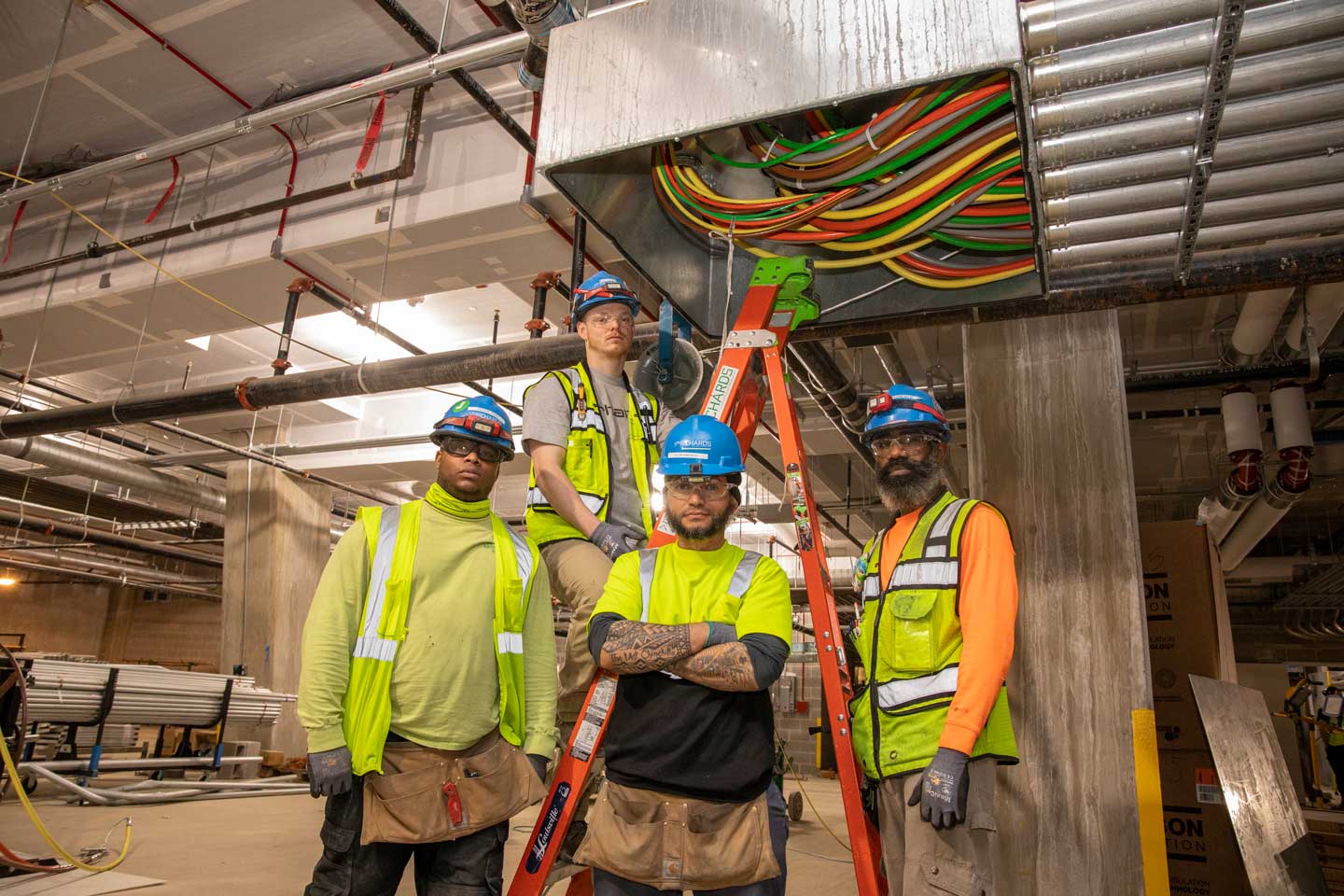
IBEW Local 280 is nearing completion of a new $5 million, 7,200-square-foot union hall in Redmond, Oregon. The facility will serve electricians across Deschutes, Jefferson, and Crook counties, supporting training, meetings, and community events. The project reflects Redmond’s growing role as a regional workforce and commercial hub in Central Oregon.
A New Workforce Anchor Takes Shape in Redmond
In Redmond’s steadily expanding commercial corridor, a new facility is nearing completion that speaks volumes about where Central Oregon’s economy is headed.
IBEW Local 280’s new union hall — a $5 million investment — is almost finished, bringing a permanent home for one of the region’s most important skilled labor organizations. More than just an office building, the hall represents long-term confidence in Redmond’s growth, workforce demand, and strategic location within Central Oregon.
As development activity continues to shift north from Bend and logistics, aviation, and construction sectors expand, projects like this quietly reinforce Redmond’s role as a regional backbone for jobs, training, and infrastructure.
Project Overview: What’s Being Built
The new IBEW Local 280 hall is a purpose-built, 7,200-square-foot facility designed to consolidate operations that were previously spread across leased and shared spaces.
The building will include:
-
Administrative offices
-
Meeting and assembly space
-
Training classrooms
-
Flexible areas for events and professional development
Rather than a single-use structure, the hall was designed to function as a multi-purpose workforce and community facility, capable of supporting both union operations and broader collaboration.
From a development standpoint, this type of investment signals long-term institutional commitment — not a temporary presence.
Why Redmond Makes Sense for This Investment
IBEW Local 280 represents electricians across Deschutes, Jefferson, and Crook counties, and Redmond sits at the geographic and economic center of that footprint.
Several factors made Redmond the logical choice:
-
Proximity to Redmond Municipal Airport, a growing logistics and business asset
-
Central access to job sites across the tri-county region
-
Expanding commercial and industrial zoning
-
Lower land and development costs compared to Bend
-
Strong alignment with Redmond’s workforce-oriented growth strategy
As more organizations seek space that balances affordability, accessibility, and long-term scalability, Redmond continues to stand out as a regional operations hub, not just a bedroom community.
Union Growth Mirrors Regional Growth
Local 280’s decision to build its own hall wasn’t symbolic — it was practical.
Union membership has expanded significantly over the past two decades, reflecting:
-
Increased construction activity
-
Infrastructure investment
-
Energy-sector demand
-
Residential growth across Central Oregon
Until now, Local 280 relied on leased facilities and shared arrangements, including long-standing use of the United Association’s space in Redmond. While functional, those setups limited scheduling flexibility and long-term planning.
Owning a dedicated facility gives the union:
-
Control over training schedules
-
Purpose-built classrooms
-
Space to expand apprenticeship programs
-
A stable base for future growth
In real estate terms, this is a shift from short-term occupancy to long-term institutional ownership, which tends to anchor surrounding economic activity.
Workforce Development: The Bigger Picture
One of the most important aspects of this project is what it signals about workforce readiness in Central Oregon.
The new hall isn’t just for current members. It’s designed to support:
-
Apprenticeship training
-
Continuing education
-
Industry collaboration
-
Community engagement
As Central Oregon continues to add housing, utilities, and commercial infrastructure, the availability of skilled trades becomes a limiting factor. Facilities like this help ensure that growth isn’t constrained by labor shortages.
From a regional planning perspective, this kind of investment complements residential development rather than competing with it — a critical balance many growing markets struggle to achieve.
Implications for Real Estate and Local Development
While a union hall may not grab headlines like a large subdivision or resort project, its impact is meaningful.
Facilities like this:
-
Support stable, well-paying jobs
-
Increase daily workforce presence
-
Reinforce demand for nearby housing
-
Strengthen Redmond’s commercial ecosystem
For property owners and investors, workforce infrastructure matters. Markets with strong training pipelines and institutional employers tend to be more resilient during economic slowdowns and recover faster during upswings.
Redmond’s continued ability to attract these projects helps explain why it’s increasingly viewed as one of Central Oregon’s most balanced real estate markets.
Location Matters: Strategic Land Use Near the Airport
The hall’s location near Redmond’s airport and existing commercial activity underscores a broader trend in Central Oregon land use.
We’re seeing:
-
Employment centers clustering near transportation assets
-
Industrial and commercial uses moving north
-
Reduced pressure on Bend’s constrained land supply
This kind of strategic placement supports efficient growth and reduces long-term infrastructure strain — something local governments and planners increasingly prioritize.
For Redmond, it reinforces a development identity built around function, access, and scalability.
Timeline and What Comes Next
Construction is nearing completion, with Local 280 planning to begin regular use of the facility in early 2026.
Plans include:
-
Hosting union meetings onsite
-
Launching expanded training programs
-
Holding a community open house
That open house will be more than ceremonial. It’s an opportunity for local leaders, contractors, and residents to see how this investment fits into Redmond’s broader economic fabric.
Parker’s Expert Commentary: Why This Project Matters
From a local real estate and development perspective, this project checks several important boxes.
It’s locally rooted.
It supports workforce development.
It aligns with Redmond’s growth trajectory.
And it represents long-term commitment, not speculative development.
Projects like this don’t happen in isolation. They tend to follow — and reinforce — confidence in a market’s future. For Redmond, that confidence continues to build quietly but consistently.
As more organizations choose to plant permanent roots here, the city’s role as a Central Oregon economic anchor becomes harder to ignore.
Frequently Asked Questions
Does this project increase housing demand in Redmond?
Indirectly, yes. Stable workforce growth supports long-term housing demand, particularly for entry-level and mid-range homes.
Is this part of a larger commercial expansion trend?
Yes. Redmond continues to attract workforce-oriented and logistics-adjacent development.
Will the facility be open to the public?
The union plans to host a community open house and may allow certain events, but its primary function is member training and operations.
Why is workforce infrastructure important for real estate markets?
Markets with strong job pipelines and training facilities tend to be more stable and attractive to both residents and employers.
Key Takeaways
-
IBEW Local 280 is completing a $5M, 7,200-square-foot union hall in Redmond
-
The facility supports training, meetings, and community engagement
-
The project reflects Redmond’s growing role as a workforce hub
-
Skilled labor infrastructure supports long-term regional growth
-
Institutional investments like this strengthen market stability
Final Thoughts & Call to Action
Redmond’s growth story isn’t just about rooftops — it’s about jobs, training, and long-term economic foundations. The new IBEW Local 280 union hall is a clear example of how workforce investment and smart land use shape sustainable development in Central Oregon.
If you have questions about how projects like this affect property values, housing demand, or future development patterns in Redmond or across Deschutes, Crook, and Jefferson counties, feel free to reach out. Understanding what’s being built — and why — is key to making informed real estate decisions in a changing market.